
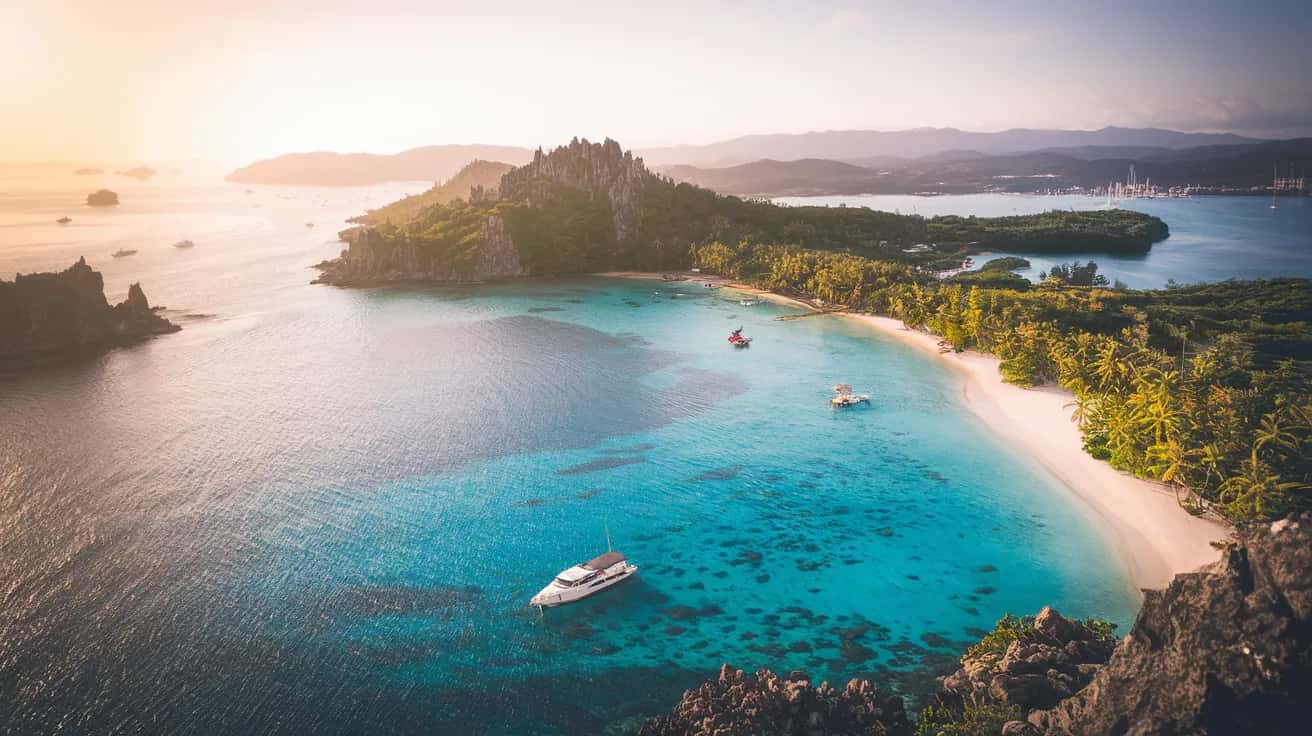
About Boracay
Boracay is a tropical island about an hour's flight from Metro Manila in the Philippines. It has superb long white sand beaches and is one of the country's most developed tourist destinations. White Beach, Boracay placed 2nd in Condé Nast Traveler's 25 Best Island Beaches in the World: Readers' Choice Awards in 2020. Facilities are available to suit different levels of activity. Facilities for the usual water sports activities such as sailing, wind surfing, snorkeling, diving and jet skiing are also widely available for those in search of more active pursuits. The fun in Boracay also doesn't end when the sun sets. Boracay nightlife is pulsating with many bars and restaurants serving food, drink and fun until the very late evening. Boracay is an excellent choice for anyone who wants a full range of facilities in a prime tropical location and can pay for it. However, it is not a good bet for bargain hunters; prices are relatively high by Philippines standards, though moderate by Japan
Source: Wikipedia
Essential Information
Currency
Philippine peso (PHP)
Symbol: ₱
Language
English
Also: Filipino
Phone Code
+63
International dialing code for Philippines
Driving
Drive on the right
Standard for Philippines
Region
Asia
South-Eastern Asia
Connectivity
Internet connectionsare pretty slow anywhere on the island. Wi-Fi can be found everywhere from splurge hotels to small guesthouses but again it's pretty crappy. Small Internet cafes exist but not widespread.
How to Get to Boracay
Transportation options and arrival information
Whether you go by plane or by boat, the port of entry for Boracay Island is the small barangay ofCaticlanon the mainland. Outrigger boats (banca) leave every few minutes from11.9277121.94951Caticlan's jetty port. The short boat trip to11.9406121.93922Boracay's jetty port at Cagbancosts₱25. There are two jetty ports in Caticlan (Caticlan and Tabon) and two jetty ports on Boracay (Cagban and Tambisaan). Because of the wind during September (or low season months), the jetty port furthest from the a
Getting Around Boracay
Local transportation and navigation tips
Most visitors opt formotorized tricycles, which act as the island's taxis and make up most of its traffic. Rides are inexpensive, usually no more than₱100for individual (per tricycle, not shared with other people) ride to any point on the island, and can be found almost anywhere along the main road. As the tricycle seats are right above the vehicle exhausts, there can be a little pollution however - bring a handkerchief if you tend to be easily bothered by this sort of thing.
Safety in Boracay
Moderate Safety (Global Peace Index: 2.339)
About the Global Peace Index: Global Peace Index measures peacefulness on a scale of 1 (most peaceful) to 5 (least peaceful)
Sewage water pollutionis one of the biggest problems in Boracay: raw sewage is piped directly into the sea. Some areas, like Bulabog beach, have been made completely unswimmable due to this problem. However, it puts the swimming safety of the entire island under serious threat.
Where to Stay in Boracay
Accommodation tips and recommendations
Accommodation varies from top-of-the-line hotels and resorts to a simple bed rented from a resident. Whatever your budget, you can easily find a suitable place to stay. During peak periods such as Holy Week, Christmas and New Year, rooms are more difficult to find and more expensive, so book in advance.
Ready to Explore Boracay?
Find the perfect time to visit and discover all that Boracay has to offer.