
About Tenerife
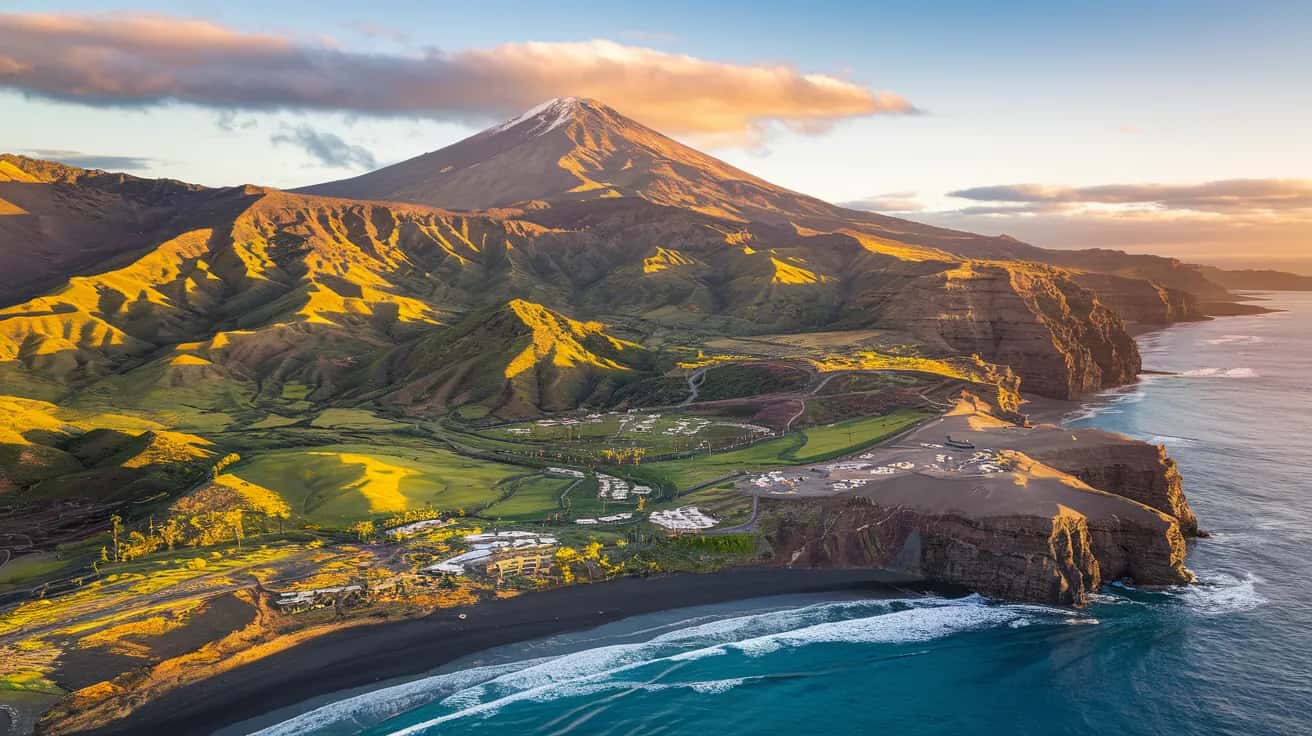
Tenerife is the largest of the Canary Islands and is a great place to travel. British, Nordic and German tourists come in their tens of thousands every year to visit its spectacular beaches and lively nightlife. It is also very popular among holidaymakers from the Spanish peninsula, especially during Easter time. It offers lush forests, exotic fauna and flora, deserts, mountains, volcanoes, incredibly beautiful coastlines and spectacular beaches.
Source: Wikipedia
Essential Information
Currency
Euro (EUR)
Symbol: €
Language
Spanish
Also: Catalan, Basque, Galician
Phone Code
+34
International dialing code for Spain
Driving
Drive on the right
Standard for Spain
Region
Europe
Southern Europe
How to Get to Tenerife
Transportation options and arrival information
As an island the usual way to arrive is by air. There are two airports, Tenerife South (Reina Sofia) nearLos Cristianosand Tenerife North (Los Rodeos) bySan Cristóbal de La Laguna.Titsa[dead link]buses run from both airports to other towns, though you may have to change routes. They stop around midnight and start again around 05:00-06:00.
Getting Around Tenerife
Local transportation and navigation tips
If you are in the possession of a driver's licence, a rental car is the best option for discovering the remote locations on the island—seeCanary Islands#By rental carfor more information.
Safety in Tenerife
High Safety (Global Peace Index: 1.603)
About the Global Peace Index: Global Peace Index measures peacefulness on a scale of 1 (most peaceful) to 5 (least peaceful)
Tenerife is generally a safe place to visit but as always, beware ofpickpockets. Do not take electrical devices, credit cards or large amounts of cash to the beach if you plan to leave your goods unattended while swimming. Take note that when walking through Playas De Las Americas, there is a lot of clubs round here and some drunkenness in the night hours. Many mobile phones have already been snatched around the island from drunken lads, especially at night. Taxis are widely available, and not t
Where to Stay in Tenerife
Accommodation tips and recommendations
When booking accommodation, pay close attention to the location. To preserve the authenticity of its historic towns and cities, there are few hotels close to tourist hot spots — hotels like those inCalle San AgustíninSan Cristóbal de La Lagunaare reserved for the happy few with deep pockets. Instead, authorities have deliberately opted to build accommodation where it's less of an eye sore: in the desert in the south of the island. If you're primarily interested in beaches and nightlife, that's p
UNESCO World Heritage Sites
3 protected sites near Tenerife


Things to See in Tenerife
8 landmarks and points of interest
Casa de los Balcones
museum in the Canary Islands
Cave of the Guanches
cave and archaeological site, Icod de los Vinos, Tenerife
Mother Parish of the Apostle Santiago
church in Los Realejos, Spain
Museo Guanche
Canary Islands Natural resources
Parque del Drago
Sanctuary of the Santo Hermano Pedro
church building in Vilaflor, Santa Cruz de Tenerife, Spain
Shrine of Our Lady of Mount Carmel
cultural property in Los Realejos, Spain
Caves of Don Gaspar
cultural property in Icod de los Vinos, Spain
Source: Wikidata
Ready to Explore Tenerife?
Find the perfect time to visit and discover all that Tenerife has to offer.