
30YearWeather
Busan in February
Busan weather in February - South Korea
❄️Cool & Crisp

Busan Weather in February

Plan your February trip to Busan, South Korea. Based on 30 years of NASA data, expect temperatures of 9°C (high) to 0°C (low), with 13% rain probability and 8 hours of daily sunshine. The Sea of Japan averages 12°C in February. Great conditions with only 0 rainy days expected.

Avg High
9°C

Hottest around day 27

Avg Low
0°C

Coolest around day 4

Rainy Days
0days

13% avg rain chance

Sunshine
8hrs/day

Winter season

Sea Temperature in February

Sea of Japan(동해)

11.6°C

Monthly Average

Water Feel
🥶Polar Plunge

Consider a wetsuit for extended swimming

Swim Rating
❄️Cold water hazard

Based on average sea surface temperature

Body of Water
Sea of Japan

동해

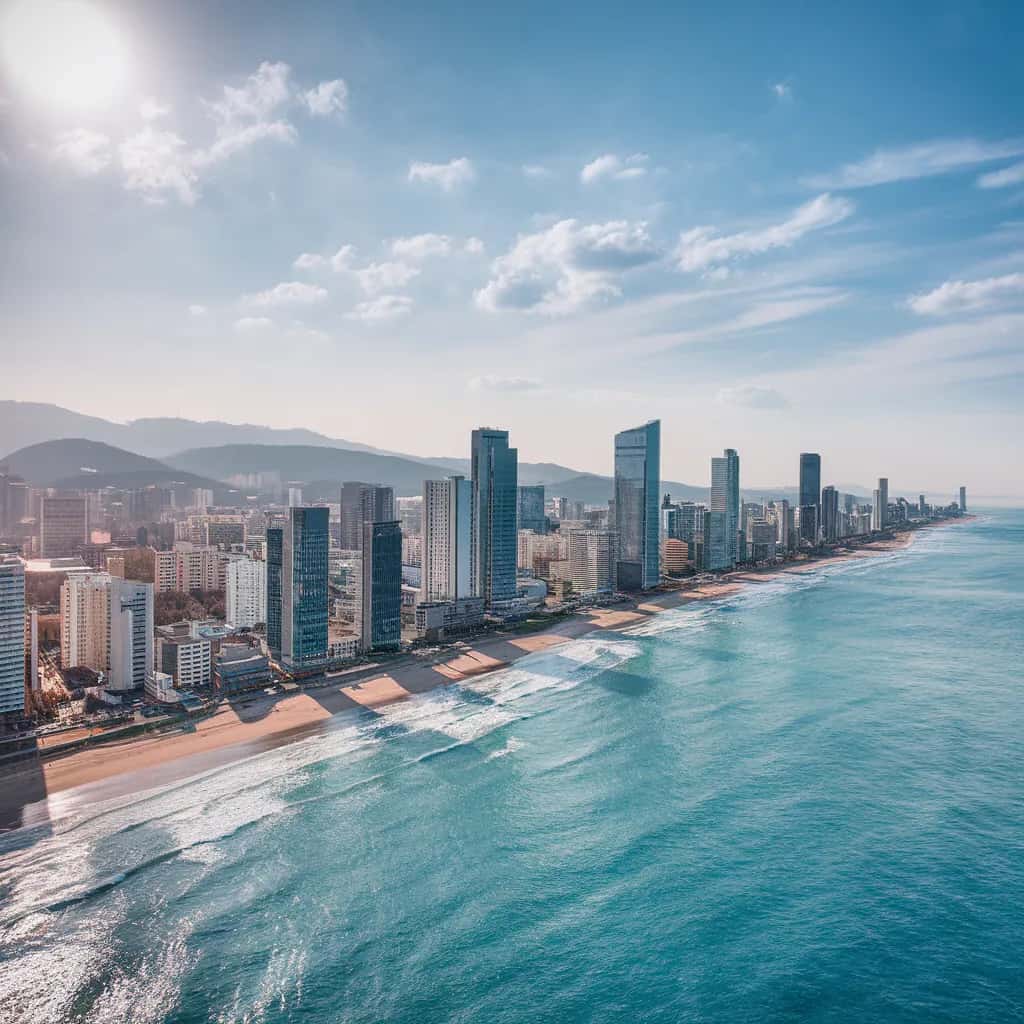
Busan coastline

Busan February Weather Calendar

Click any day to see detailed weather information

Currency

KRW

South Korean won

Language

Korean

Driving

Right side

Safety

High Safety

GPI: 1.779

Travel Intelligence

Exclusive flight analytics & health data for Busan

Smart Flight Estimator

Airport-to-Airport Logistics

unlock smart flight estimates

Add your home location in settings to see airport details.

Flight Connectivity Analysis

Airport traffic data & seasonal patterns

Moderate
47/ 100
Traffic Index

Balanced traffic

Peak Daily Arrivals

0

slots per day

Peak

Jan

Low

Apr

Monthly Traffic Distribution

167
Jan
166
Feb
161
Mar
125
Apr
127
May
137
Jun
140
Jul
139
Aug
141
Sep
142
Oct
166
Nov
158
Dec
Traffic Level
Low Season

Key Connections

Jeju City Jeju (CJU)
Osaka Kansai (KIX)
Seoul-si Gimpo (GMP)
Fukuoka (FUK)
Taipei Taiwan Taoyuan (TPE)

Health & Safety Advisory

CDC travel health recommendations

10 Recommendations
COVID-19

All eligible travelers should be up to date with their COVID-19 vaccines. Please seeYour COVID-19 Vaccinationfor more information.

Hepatitis A

Recommended for unvaccinated travelers one year old or older going to South Korea.Infants 6 to 11 months old should also be vaccinated against Hepatitis A. The dose does not count toward the routine 2-dose series.Travelers allergic to a vaccine component should receive a single dose of immune globulin, which provides effective protection for up to 2 months depending on dosage given.Unvaccinated travelers who are over 40 years old, are immunocompromised, or have chronic medical conditions planning to depart to a risk area in less than 2 weeks should get the initial dose of vaccine and at the same appointment receive immune globulin.

Hepatitis B

Recommended for unvaccinated travelers younger than 60 years old traveling to South Korea. Unvaccinated travelers 60 years and older may get vaccinated before traveling to South Korea.

Japanese Encephalitis

Recommended for travelers whoAre moving to an area with Japanese encephalitis to liveSpend long periods of time, such as a month or more, in areas with Japanese encephalitisFrequently travel to areas with Japanese encephalitisConsider vaccination for travelersSpending less than a month in areas with Japanese encephalitis but will be doing activities that increase risk of infection, such as visiting rural areas, hiking or camping, or staying in places without air conditioning, screens, or bed netsGoing to areas with Japanese encephalitis who are uncertain of their activities or how long they will be thereNot recommended for travelers planning short-term travel to urban areas or travel to areas with no clear Japanese encephalitis season.

Malaria

CDC recommends that travelers going to certain areas of South Korea take prescription medicine to prevent malaria. Depending on the medicine you take, you will need to start taking this medicine multiple days before your trip, as well as during and after your trip. Talk to your doctor about which malaria medication you should take.Transmission areasLimited to the months of March–December in rural areas in the northern parts of the provinces of Incheon (also spelled Inch’ŏn), Gangwon (also spelled Kangwŏn), and Gyeonggi (also spelled Kyŏnggi), including the demilitarized zone (DMZ)Drug resistanceNoneSpeciesP. vivax(100%)Recommended chemoprophylaxisAtovaquone-proguanil, chloroquine, doxycycline, mefloquine, primaquine5, or tafenoquine2Updated April 23, 2025See footnotes

Measles

Cases of measles are on the rise worldwide. Travelers are at risk of measles if they have not been fully vaccinated at least two weeks prior to departure, or have not had measles in the past, and travel internationally to areas where measles is spreading.All international travelers should be fully vaccinated against measles with the measles-mumps-rubella (MMR) vaccine, including an early dose for infants 6–11 months, according toCDC’s measles vaccination recommendations for international travel.

+4 more

Source: CDC Travelers' Health

View Complete Health Guide

Is February a Good Time to Visit Busan?

👌Decent conditions for most activities
Short Answer

Tropical storm season is active in Busan during February. Average conditions (9°C, 13% rain) can be interrupted by severe weather. Monitor forecasts closely.

Decision Factors

Typhoon season active

Western Pacific zone - expect potential typhoon activity

Vaccinations required

Yellow Fever

Peak tourist season

99% of annual peak - expect crowds and peak prices

Excellent dry conditions

Only 13% rain probability - ideal for outdoor activities

Cold sea - swimming challenging

11.6°C sea temperature - Polar Plunge

Health precautions needed

Be aware of: Leptospirosis, Avian/Bird Flu, Hantavirus

Good For

  • 📸
    Photographers

    8h sunshine, 53% clear skies for golden hour shots

  • 🏛️
    Cultural tourists

    Comfortable conditions for exploring museums and sites

  • 💼
    Business travelers

    Climate-controlled meetings unaffected by weather

  • 🌡️
    Heat-sensitive visitors

    Manageable 8.7°C without oppressive humidity

Who Should Avoid

  • 🏖️
    Beach lovers

    Sea temperature only 11.6°C - too cold for comfortable swimming

  • 💰
    Budget travelers

    Peak season means premium prices everywhere

  • 💼
    Business travelers

    Storm season may cause flight disruptions

870 observations30-year historical data
Confidence: 99%

"According to 30YearWeather's analysis of 30 years of NASA POWER satellite data,Busan in February averages 9°C with 13% precipitation probability."

📊 Source: 30YearWeather.com🛰️ Data: NASA POWER (1991-2021)View Methodology →

Frequently Asked Questions: Busan in February

What are the temperatures in Busan in February?

Daytime highs average 9°C, nights drop to 0°C. Temperatures remain fairly consistent.

How many rainy days in Busan in February?

Expect around 0 days with measurable rainfall. Rain is unlikely to disrupt plans.

What to wear in Busan in February?

Warm winter clothing: insulated jacket, boots, gloves.

Is February peak season in Busan?

This is shoulder season—moderate prices and manageable crowds.