
Peak in October
Coolest in February
Heavy in February
Peak in dry season
Sea Temperature
Coastal Waters(Ocean)
Annual Average
Perfect for swimming and water sports
Based on average sea surface temperature
Ocean
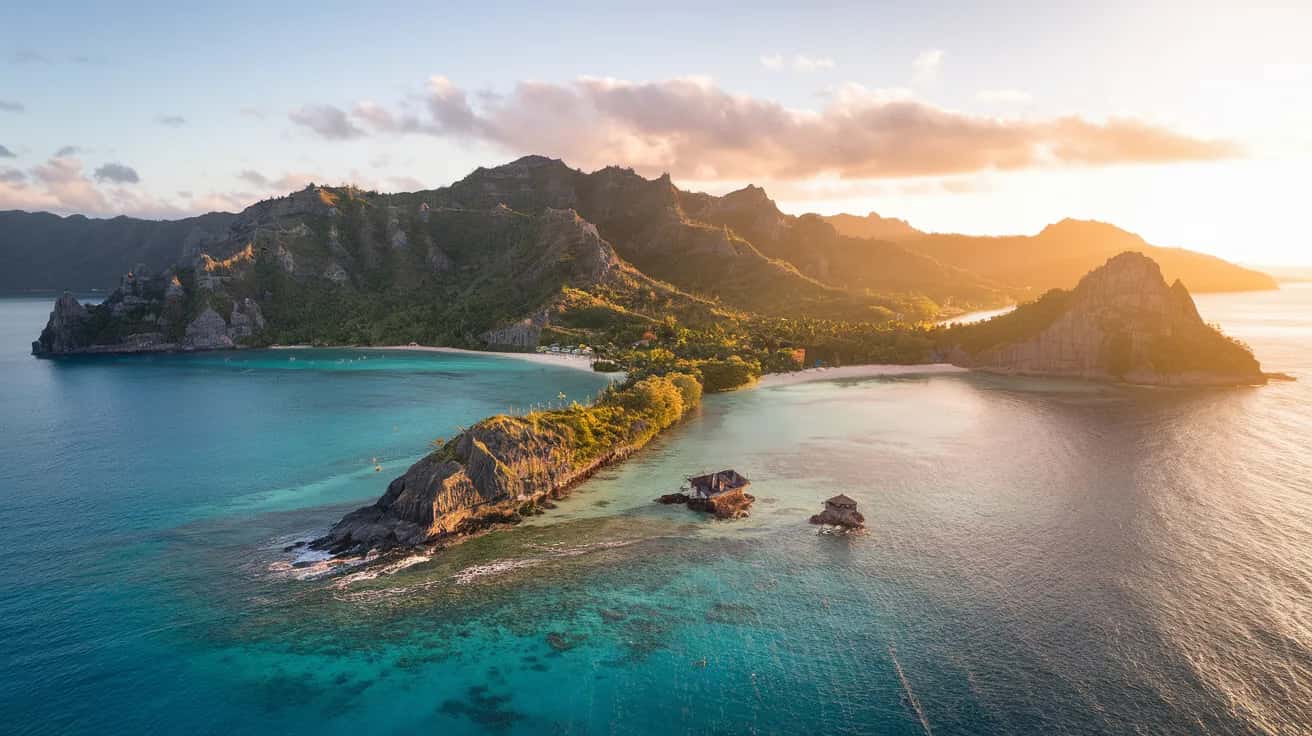
Gili Trawangan coastline
Gili Trawangan Monthly Weather Guide
Click any month to explore daily weather forecasts
January

February
March
April
May

June
July
August
September
October

November
December
Essential Travel Info for Gili Trawangan
Currency
IDR
Rp Indonesian rupiah
Language
Indonesian
Driving
Left side
Connect
There are severalinternet cafeson Trawan...
Safety
High Safety
GPI: 1.8
Best Time to Visit Gili Trawangan
Location, climate overview & historical trends
Tap to Explore Map
📍 8.3520° S, 116.0363° E
Open in Google MapsGili Trawangan is a prominent destination in Indonesia.
Located at 8.35°S latitude,Gili Trawangan experiences a tropical climate with warm temperatures year-round.
Based on 30 years of data, October is the warmest month (avg. 31°C), while February is the coolest. February sees the most rain (81% chance), making August the driest month.
Historical Climate Trend
30-Year Analysis+1.54°C
Total over 30 years
+0.51°C
Per decade
Linear regression analysis of historical maximum temperatures for Gili Trawangan, based on 1995-2024 satellite data from NASA POWER.
Best Time to Visit
NASA POWER Data (1991-2021)May, June, July
Best months to visit
29°C
Avg High
Based on 30 years of NASA satellite data,Gili Trawangan receives approximately 1,249mm of rainfall annually. These months offer optimal temperatures and minimal rain probability for your visit.
Climate Trends
EXCLUSIVE1995-2040 Temperature Trend
1995 Avg
28.8°
2024 Avg
30.2°
2040 Proj
30.6°
+0.51°C
per decade (observed)
+0.24°C
per decade (CMIP6)
🌡️ Gili Trawangan has warmed by +1.5°C since 1995. By 2040, an additional +0.4°C is projected (based on CMIP6 rate of 0.242°C/decade), for a total of +1.9°C from 1995 baseline.
NASA POWER (1995-2024) + CMIP6 (CMCC_CM2_VHR4, EC_Earth3P_HR, FGOALS_f3_H, HiRAM_SIT_HR, MRI_AGCM3_2_S, NICAM16_8S)
Travel Intelligence
Exclusive flight analytics & health data for Gili Trawangan
Smart Flight Estimator
Airport-to-Airport Logistics
unlock smart flight estimates
Add your home location in settings to see airport details.
Flight Connectivity Analysis
Airport traffic data & seasonal patterns
Off the beaten path
0
slots per day
Peak
Mar
Low
Jul
Monthly Traffic Distribution
Key Connections
Health & Safety Advisory
CDC travel health recommendations
COVID-19
All eligible travelers should be up to date with their COVID-19 vaccines. Please seeYour COVID-19 Vaccinationfor more information.
Chikungunya
All travelers should take steps to prevent mosquito bites. Chikungunya vaccination is generally not recommended. Travelers who wish to consider vaccination can visit “What to consider before traveling” on thechikungunya vaccinespage to learn more.
Hepatitis A
Recommended for unvaccinated travelers one year old or older going to Indonesia.Infants 6 to 11 months old should also be vaccinated against Hepatitis A. The dose does not count toward the routine 2-dose series.Travelers allergic to a vaccine component should receive a single dose of immune globulin, which provides effective protection for up to 2 months depending on dosage given.Unvaccinated travelers who are over 40 years old, are immunocompromised, or have chronic medical conditions planning to depart to a risk area in less than 2 weeks should get the initial dose of vaccine and at the same appointment receive immune globulin.
Hepatitis B
Recommended for unvaccinated travelers of all ages traveling to Indonesia.
Japanese Encephalitis
Recommended for travelers whoAre moving to an area with Japanese encephalitis to liveSpend long periods of time, such as a month or more, in areas with Japanese encephalitisFrequently travel to areas with Japanese encephalitisConsider vaccination for travelersSpending less than a month in areas with Japanese encephalitis but will be doing activities that increase risk of infection, such as visiting rural areas, hiking or camping, or staying in places without air conditioning, screens, or bed netsGoing to areas with Japanese encephalitis who are uncertain of their activities or how long they will be thereNot recommended for travelers planning short-term travel to urban areas or travel to areas with no clear Japanese encephalitis season.
Malaria
CDC recommends that travelers going to certain areas of Indonesia take prescription medicine to prevent malaria. Depending on the medicine you take, you will need to start taking this medicine multiple days before your trip, as well as during and after your trip. Talk to your doctor about which malaria medication you should take.Transmission areasAll areas of eastern Indonesia (the provinces of Maluku, North Maluku, East Nusa Tenggara, Papua, and West Papua), including the town of Labuan Bajo and the Komodo Islands in the Nusa Tenggara regionRural areas of Kalimantan (Borneo), West Nusa Tenggara (includes the island of Lombok), Sulawesi, and SumatraLow transmission in rural areas of Java, including Pangandaran, Sukabumi, and Ujung KulonNo malaria transmission in the cities of Jakarta (the capital) or UbudNo malaria transmission in the resort areas of Bali or Java, the Gili Islands, or the Thousand Islands (Pulau Seribu)Drug resistanceChloroquine (P. falciparumandP. vivax)SpeciesP. falciparum(60%)P. vivax(40%)P. knowlesi,6P. malariae, andP. ovale(rare)Recommended chemoprophylaxisAtovaquone-proguanil, doxycycline, mefloquine, tafenoquine3Updated April 23, 2025See footnotes
+5 more
Source: CDC Travelers' Health
View Complete Health GuideGili Trawangan Climate Data by Month
Historical temperature and precipitation averages
| Month | Avg High (°C) | Rain Probability (%) | Status |
|---|---|---|---|
| January | 28°C | 76% | 🌧️ Rainy |
| February | 28°C | 81% | 🌧️ Rainy |
| March | 29°C | 67% | 🌧️ Rainy |
| April | 29°C | 52% | 🌧️ Rainy |
| May | 30°C | 22% | 😊 Pleasant |
| June | 29°C | 15% | 😊 Pleasant |
| July | 29°C | 8% | 😊 Pleasant |
| August | 30°C | 6% | 😊 Pleasant |
| September | 30°C | 13% | 😊 Pleasant |
| October | 31°C | 21% | 🔥 Hot |
| November | 30°C | 48% | 🌧️ Rainy |
| December | 29°C | 71% | 🌧️ Rainy |
Weather in Cities Near Gili Trawangan
Explore climate data for popular destinations within easy reach
Compare weather conditions with nearby destinations for your trip planning
Compare Gili Trawangan Weather vs Popular Destinations
Gili Trawangan Weather FAQ
When is the best time to visit Gili Trawangan?
Honestly, look for months with mild temperatures (20°C-25°C) and low rain chance. Based on historical data, May, June, July are usually great choices.
When is the hottest month in Gili Trawangan?
October is historically the hottest month in Gili Trawangan with average highs of 31°C.
When does it rain the most in Gili Trawangan?
February typically sees the highest probability of rain (81%).
Is Gili Trawangan expensive?
Prices vary by season. The "Perfect" weather months usually coincide with peak tourist season and higher prices, while the rainy or cold months offer better deals.